Table Of Content
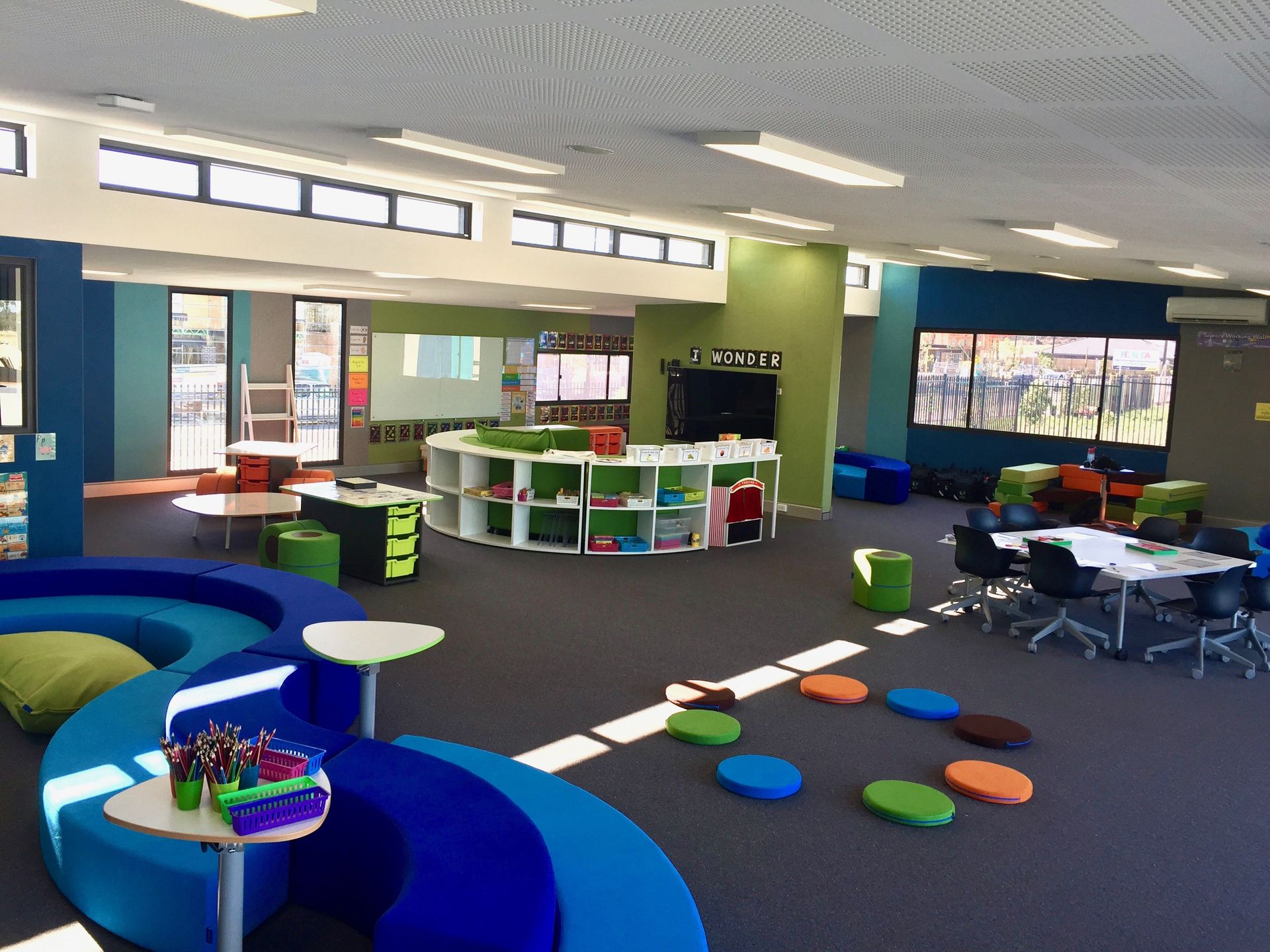
CAST developed UDL guidelines that are based on three main principles that align with these learning networks. The three UDL principles are engagement, representation, and action and expression. Find out how the UDL framework guides the design of instructional goals, assessments, methods, and materials that can be customized and adjusted to meet individual needs. Advice for teachers to support curriculum planning for every student in every classroom K–12. It is based on the architectural principles of universal design used to minimise barriers and ensure access for all.
Core Education Assessment Plan Menu
Universal design for learning helps all students connect with course materials to become expert learners - University of Nevada, Reno
Universal design for learning helps all students connect with course materials to become expert learners.
Posted: Tue, 21 Mar 2023 07:00:00 GMT [source]
Equitable use and perceptible information are more than principles; they are the guiding force to ensuring each student can navigate learning with confidence and competence. For example, if your students typically struggle with a new concept after you present it, you could make a short video recording of key ideas. Make sure that there are options regularly available for any student to use as needed. This phase involves facilitating the lesson, observing, and getting feedback on how students are building the skills and habits. This article originally appeared on Understood.org (opens in a new window), a free online resource for parents of children with learning and attention issues.
Universal Design for Learning: Apply
Explore this chart that compares UDL and traditional education side by side (opens in a new window). Teachers can encourage high school students’ success by focusing on learner variability and creating customizable learning experiences. By providing different avenues for students to interact with the curriculum, UDL aims to heighten motivation and commitment to learning. This principle seeks to capture the diverse ways in which students can become invested and involved, thereby enriching their educational experiences. Give students more than one way to engage in learning experiences beyond making it fun. Finding the time to adapt lessons to meet the needs of every student can be a daunting task.
UDL to Change the World
In 2020, CAST launched our most recent effort to update the UDL Guidelines, with a specific focus on equity. There has been a strong call from the field—both practitioners and researchers alike—to more fully develop the Guidelines to address critical barriers rooted in biases and systems of oppression. The current update aims to respond to this call and to work toward fulfilling the promise of the Guidelines as a tool to guide the design of learning environments that more fully honor and value every learner. Engage in authentic practice to support teachers in their UDL implementation – look for UDL in practice, provide mastery-oriented feedback, and collaboratively develop goals for implementing UDL in the classrooms you support. It acknowledges the vast diversity within the U.S. higher education system, including students of multifarious language backgrounds and those with disabilities.
UDL gives you a framework to follow so you can reduce the barriers to learning. The main way to do this is to prepare a learning environment where students have what they need to flexibly meet learning goals. UDL is a powerful approach because from the very start of your lesson, it helps you anticipate and plan for all your learners. It can help you make sure that the greatest range of students can access and engage in learning — not just certain students. The UDL Guidelines are a living, dynamic tool that is continuously developed based on new research and feedback from practitioners.
It’s about building in flexibility that can be adjusted for every person’s strengths and needs. The online learning experience blends interaction with student colleagues and faculty during live class sessions and self-paced coursework assignments submitted through the learning management system. Faculty facilitate live class sessions that include interactive, engaging and collaborative small-group discussions.
We pay respect to Elders past and present as ongoing teachers of knowledge, songlines and stories. We strive to ensure every Aboriginal and/or Torres Strait Islander learner in NSW achieves their potential through education. Provide multiple means of engagement to interest, motivate and challenge learners.
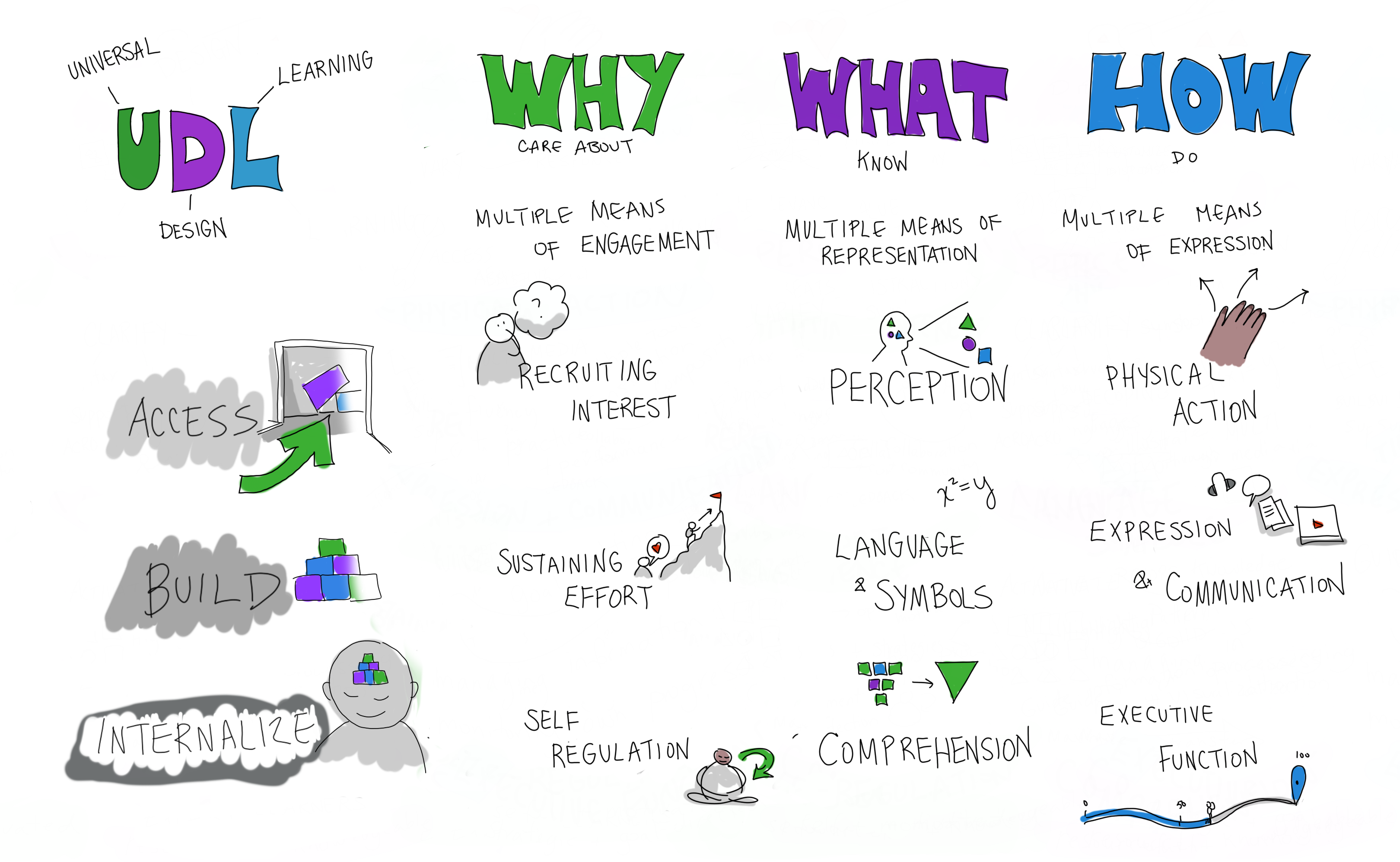
In any class, you know there’s a wide range of enthusiasm, background, and skills among your students. When you plan with this range in mind, you can approach the lesson in several ways. Universal Design for Learning (UDL) is a framework to improve and optimize teaching and learning for all people based on scientific insights into how humans learn. The suite of pedagogies and practices below overlap and intersect in important ways. View USC Rossier’s scholarship finder to identify other scholarships and funding opportunities. Carefully note the scholarship application deadlines, which may occur before the final program application deadline.
The goal here is to reduce learning barriers by presenting knowledge in diverse ways, thereby ensuring that every student has an equal opportunity to grasp the material. By moving away from rigid, one-size-fits-all educational strategies, UDL recognizes individual learner variability and provides variable means to achieve educational objectives. For example, imagine a lesson in which your students read about the stages of butterfly metamorphosis and then draw a diagram of the process. This lesson has three main objectives — to have your students read, learn the stages of butterfly metamorphosis, and draw a scientific process.
We use a mix of "identity-first" and "person first" language throughout these pages; learn more about disability and language on the APA's "Disability" webpage. Connect with us to receive more information about this program and reminders about upcoming events and application deadlines. Scholars discuss the current environment in higher education and offer historical context and policy insights at the 45th Pullias Lecture. The USC Office of Student Financial Aid provides information regarding various types of financial aid and financing options. Classrooms today are a tapestry of differences - in abilities, cultural backgrounds, and learning preferences. Teachers face the challenge of honoring high expectations for all, while also recognizing this diversity.
When you use UDL, you assume that barriers to learning are in the design of the environment, not in the student. As we have seen, Universal Design for Learning (UDL) offers a roadmap for creating flexible educational environments that accommodate the diversity of learners. By implementing UDL, educators are equipped to design their classrooms to address the varied needs of students. This inclusive approach takes into account the distinct learning styles and abilities students possess, enabling them to engage with the material, participate in the learning process, and express themselves effectively. The UDL Guidelines are a tool used in the implementation of Universal Design for Learning, a framework to improve and optimize teaching and learning for all people based on scientific insights into how humans learn. The UDL Guidelines can be used by educators, curriculum developers, researchers, parents, and anyone else who wants to implement the UDL framework in a learning environment.
This approach acknowledges that some students may prefer visual materials, others audio, and yet others might benefit from a kinetic experience. This shift toward proactive, adaptable learning experiences is a significant departure from the traditional, rigid education model and is crucial in the pursuit of genuinely adaptive learning experiences for every student. In this article, we will delve into the essence of UDL, outlining its principles and the significant advantages it introduces to education. Read on to discover what the Universal Design for Learning is all about and how it can reduce educational barriers for students. Then, discover a few practical ways that you can use Universal Design for Learning guidelines in your classroom—along with some examples to get you started. The ultimate goal of UDL is to develop “expert learners” who are purposeful and motivated, resourceful and knowledgeable, and strategic and goal-directed.
There are three principles in the Universal Design for Learning framework (CAST 2023). For example, closed captioning on TVs allows people with hearing impairments to see onscreen text of what is being said. If you’ve ever tried to watch the news or a game in a noisy restaurant, you probably used the closed captions to follow along. Waterford.org is a 501(c)(3)organization, and gifts aretax deductible as allowed by law.
This example demonstrates that what is essential for some can be useful for all. Plus, they’ll become more familiar with the flexible tools and strategies available to them. Lesson planning with UDL will become more automatic and will help the full range of students to become expert learners.
UDL Practicum Open Education Resource: AccessibleNU - Northwestern Now
UDL Practicum Open Education Resource: AccessibleNU.
Posted: Fri, 26 May 2023 21:05:16 GMT [source]
To analyze the goal, you need to identify the primary objective for this part of the lesson. You may, for example, have a student in your class with attention-deficit hyperactivity disorder. Ways to reduce barriers could include helping them set a routine, learning more about their needs from their family, or referring them to a school specialist. As a teacher, one of the best ways to help students is by reducing barriers to learning. One approach that can help you achieve this is the Universal Design for Learning.


No comments:
Post a Comment