Table Of Content

UDLA has technical assistance to support implementation, including guidance on communication plans and how to engage stakeholders in a universally designed way. The third principle, multiple means of engagement, is about tapping into students' interests and motivations to foster deeper participation in the learning process. The inclusion of interactive tools that teach specific concepts, like narrative structures, and resources that enhance writing skills reflects this principle in action. By embracing these varied methods, students are given the opportunity to use their strengths and preferences to show their learning.
Master of Education in Learning Design and Technology online (LDT online) Information Webinar
It is this flexibility and customization that ensures that educational access is not just a theoretical ideal but a practically attainable standard. As a result, students with physical, cognitive, or intellectual challenges are given the same opportunities to engage with educational content as their peers. These principles serve as the scaffolding for an educational framework that is adept at handling the unique complexities of how individuals learn. By building on these pillars, educators are equipped to design instructional experiences that can reach and resonate with each student in a diverse classroom. Develop a deeper understanding of Universal Design for Learning (UDL) and gain the knowledge and confidence to design learning environments that increase access to engaging, meaningful learning experiences for all students.
For Current Students
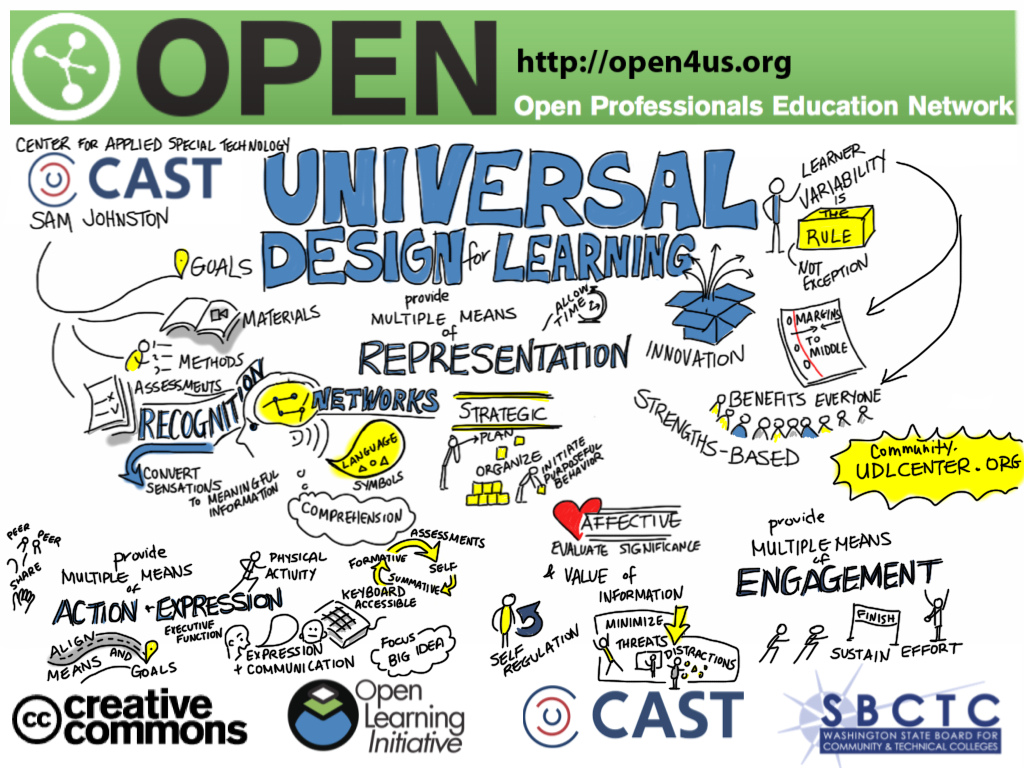
Inclusive curriculum planning using the three principles of Universal Design for Learning acknowledges learner variability and the potential impact this has on a student’s learning. The principles of engagement, representation and expression help identify and remove limitations allowing all students to thrive and reach their full potential (Barteaux 2014). Universal Design for Learning is a planning framework that supports teachers to enable every student in every classroom to access the curriculum and optimise learning for all students. Universal Design for Learning has 3 guiding principles and research suggests that this proactive planning approach has benefits for all students.
Related Programs
All materials are provided at the start of the program and can be completed at times that best fit a participant’s schedule within the three-week program period. Participants should plan to devote an average of three to five hours per week to classwork. Of course there’s more to great teaching, preparing our students for the future, and applying UDL than these four beliefs, but it’s only if we hold these beliefs that the other pieces then fall into place. Explain at back-to-school night or in a class email that you’ll be using Universal Design for Learning. You can even share a family-friendly article about the UDL approach to teaching.
Understood.org's programs for Families, Educators, and Young Adults focus on empowering people who learn and think differently and those who support them, offering customized, accessible resources and a compassionate community. It also gives you some questions to consider and lists some examples of the principles in action. You can print a one-page version of this chart to have on hand while planning a lesson, activity, or routine for your students.
You may access the tuition assistance application after you have submitted your program application. Tuition assistance applications should be submitted at least one month prior to the final application deadline. Now that you know a little more about what the UDL framework is and how this strategy can give your students more personalized support, let’s discuss how to get started. You can use the following strategies to incorporate Universal Design for Learning tools into your classroom.
Related content
Universal Design for Learning (UDL) — Albuquerque Public Schools - Albuquerque Public Schools
Universal Design for Learning (UDL) — Albuquerque Public Schools.
Posted: Mon, 08 May 2023 21:37:50 GMT [source]
The UDLA modules provide teachers and administrators opportunities to deepen their understanding of the principles of UDL and supports “ALL” students in the classroom with equal access to core instruction. In the realm of linguistic diversity and challenges, UDL's flexibility is a key asset. It allows students to access materials, engage with content, and showcase their understanding in a manner that aligns with their individual language capabilities.

Developing lesson plans this way helps all kids, but it may be especially helpful for kids with learning and attention issues. In this model, student engagement includes motivating students toward learning in the classroom. Representation involves supporting a student’s education needs based on factors like disabilities, cultural or language backgrounds, and other needs. And finally, action and expression refers to providing students with means to engage in class based on those needs. UDL transforms how educators think about teaching and learning by accommodating diverse learners from the outset.
Past workshops & materials:
UDL strategically mitigates learning barriers, such as physical and cognitive constraints, by presenting course material that is inherently accessible to a wider audience. The importance of Universal Design for Learning within the educational realm cannot be overstated. UDL presents a methodology for the development of learning environments that can adjust to accommodate the unique learning differences among students. The goal of UDL is to use a variety of teaching methods to remove any barriers to learning and give all students equal opportunities to succeed. It’s about building in flexibility that can be adjusted for every student’s strengths and needs.
Universal Design for Learning is a planning framework that impacts the design of all aspects of the learning environment. Every student learns differently, so teachers need to create flexible, barrier-free learning environments for all students to become successful, lifelong learners. Rather than retrofitting learning experiences after the fact, UDL integrates inclusive practices from inception.
These opportunities to conference around goals made them more manageable and helped us all stay committed to them. At its core, UDL is a mindset, or set of beliefs, that guides educators in everything they do. It’s all about believing—in students and their potential; in the importance of the process as much as the result; and in the power of continual growth, reflection, and lifelong learning. Universal design can be found just about anywhere you look — both inside and outside your school.
By providing text alongside audio narrations, video supplements, and interactive models, educators apply a versatile mix of formats that tap into different learning pathways. This not only makes content accessible for individuals with disabilities but also allows for a broader range of cognitive entry points for all students. UDL's goal is to create learning environments that are accessible and equitable, negating the need for further modifications or adaptations, thereby fostering an inclusive educational atmosphere. At the core of the UDL framework is providing students with the individualized support they need to succeed. Curriculum planning for every student in every classroom professional learning supports K-12 teachers effectively plan to optimise learning for the full range of students.
Curb cuts change sidewalks so that they’re accessible to the greatest range of users, including people who use wheelchairs and those pushing strollers. Closed captions make television accessible to people who are deaf or who have hearing loss, as well as people at the gym or spouses who can’t agree whether or not to keep the TV on at night. The ultimate goal of UDL is for all learners to become “expert learners.” Expert learners are purposeful and motivated, resourceful and knowledgeable, and strategic and goal-directed about learning. Climate change conference brought together artists, activists, public officials, school board members, higher education leadership, district administrators and teachers to share their commitment to sustaining the environment. We recognise the Ongoing Custodians of the lands and waterways where we work and live.
Universal Design for Learning is a scientifically grounded educational framework that emphasizes flexibility in both the delivery of instruction and the demonstration of knowledge. It’s important to teach to each student’s individual strengths, skills and needs. This is true for all kids — not just kids with learning and attention issues. Tuition assistance is available for this program on a need and application basis. Tuition assistance is granted based on participant and institutional needs. Requests for tuition assistance do not affect an applicant's prospects for admission.


No comments:
Post a Comment